Compressibility and Consolidation of Soil : Definition and Meaning

 What is the Compressibility of Soil?

Soil compressibility is a measure of the ability of soil to be compacted under pressure. The compressibility of soil is affected by the amount of water present in the soil, as well as the type of soil particles. The compressibility of soil is an important factor in the design of foundations, earth dams, and other structures.

 What is the Consolidation of Soil?

Soil consolidation is the process by which soil becomes denser and harder over time. Consolidation occurs when the pores in soil are filled with water and the weight of the water causes the soil particles to compact. The consolidation of soil is an important factor in the design of foundations and earth dams.
Disadvantages of solar chimney

 The followings are the Disadvantages of solar chimneys.

  1. The solar chimney only works when there is sunlight. If it is cloudy or raining, the solar chimney will not work.

What is Solar Chimney? How does it Work?

A solar chimney, also known as a solar updraft tower, is a type of power plant that uses the principles of convection to generate electricity. The solar chimney consists of a tall chimney-like structure that is exposed to the sun. The chimney heats the air inside it, causing the air to rise. As the hot air rises, it creates a draft that pulls cooler air into the chimney. This airflow is used to spin turbines that generate electricity.

Dampness in Building: Sources, Defects, Preventing Methods

Dampness is one of the most common problems in buildings and can cause a wide range of serious problems. It is therefore important to be aware of the potential causes of dampness and the methods of preventing it. 

Types of Foundation

Foundation is an important part of building structures. Followings are the types of foundation:
  1. Shallow Foundations
  2. Deep Foundations

Bulking of Sand

Bulking of sand means an increase in volume. Fine aggregate (i.e., sand) increases in volume when they possess some moisture.
This volume increase is not due to the increase in the volume of the individual sand particle in the presence of moisture. It is due to the formation of a thin film of water around the aggregate or sand particles. The thickness of this film goes on increasing with more moisture. That is, the volume of sand mass continues to increase with moisture content. This increase in volume varies 20-30% (vol. basis) depending upon the fineness of sand. The finer particles will undergo a greater increase in volume. After a certain percentage of water (5-8%, also depends on the fineness of sand), the volume of sand starts decreasing with the further increase in water and eventually, the increased volume completely vanishes, and at this moment, the volume occupied by sand becomes equal to the volume of dry sand.
Bulking of sand effects water-cement ratio and also the proportioning of aggregate.

Types of Bricks for Construction Work

Bricks are a clay made rectangular unit used for different building construction works. There are different types of bricks used in construction. They are:
  • Based on Quality
    • First Class Brick
    • Second Class Brick
    • Third Class Brick
  • Based on Building Process
    • Unburnt Bricks
    • Burnt Bricks
    • Over Burnt or Jhama Brick
  • Based on Manufacturing Method
    • Extruded Brick
    • Molded Brick
    • Dry pressed Brick
  • Based on Raw Materials
    • Burnt Clay Brick
    • Fly ash clay Brick
    • Concrete brick
    • Sand-lime Brick
    • Firebrick
  • Based on Using Location
    • Facing Brick
    • Backing Brick
  • Based on Weather-resisting Capability
    • Severe Weather Grade
    • Moderate Weather Grade
    • No weather Grade
  • Based on Uses of Brick
    • Common Bricks
    • Engineering Bricks

Advantages and Disadvantages of White cement

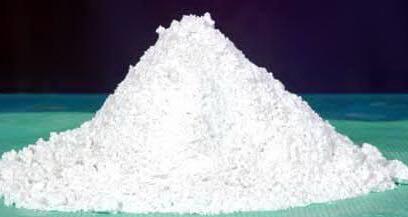
The strength of white cement is lower than that of ordinary Portland cement. It is not liable to cause staining because it has low content of soluble alkalis. It is four times costlier than ordinary Portland cement.


Related Articles:

Advantages and Disadvantages of Reinforced Concrete


Reinforced Concrete


Reinforced concrete, as a construction material, is widely used in many types of structures. For economic execution of structure, Reinforced concrete is the best choice for designers.

The advantages of reinforced concrete

  1. It has a relatively high compressive strength;
  2. It has better resistance to fire than steel;
  3. It has a long service life with low maintenance cost;
  4. In some types of structures, such as dams, piers, and footings, it is the most economical structural material;
  5. It can be cast to take the shape required, making it widely used in precast structural components. It yields rigid members with minimum apparent deflection.

The disadvantages of reinforced concrete


  1. It has a low tensile strength of about one-tenth of its compressive strength;
  2. It needs mixing, casting, and curing, all of which affect the final strength of concrete;
  3. The cost of the forms used to cast of concrete placed in the forms;
  4. It has a low compressive strength as compared to steel (the ratio is about 1:10, depending on materials), which leads to large sections in columns of multistory buildings;
  5. Cracks develop in concrete due to shrinkage and the application of live loads.

Related Posts Plugin for WordPress, Blogger...